

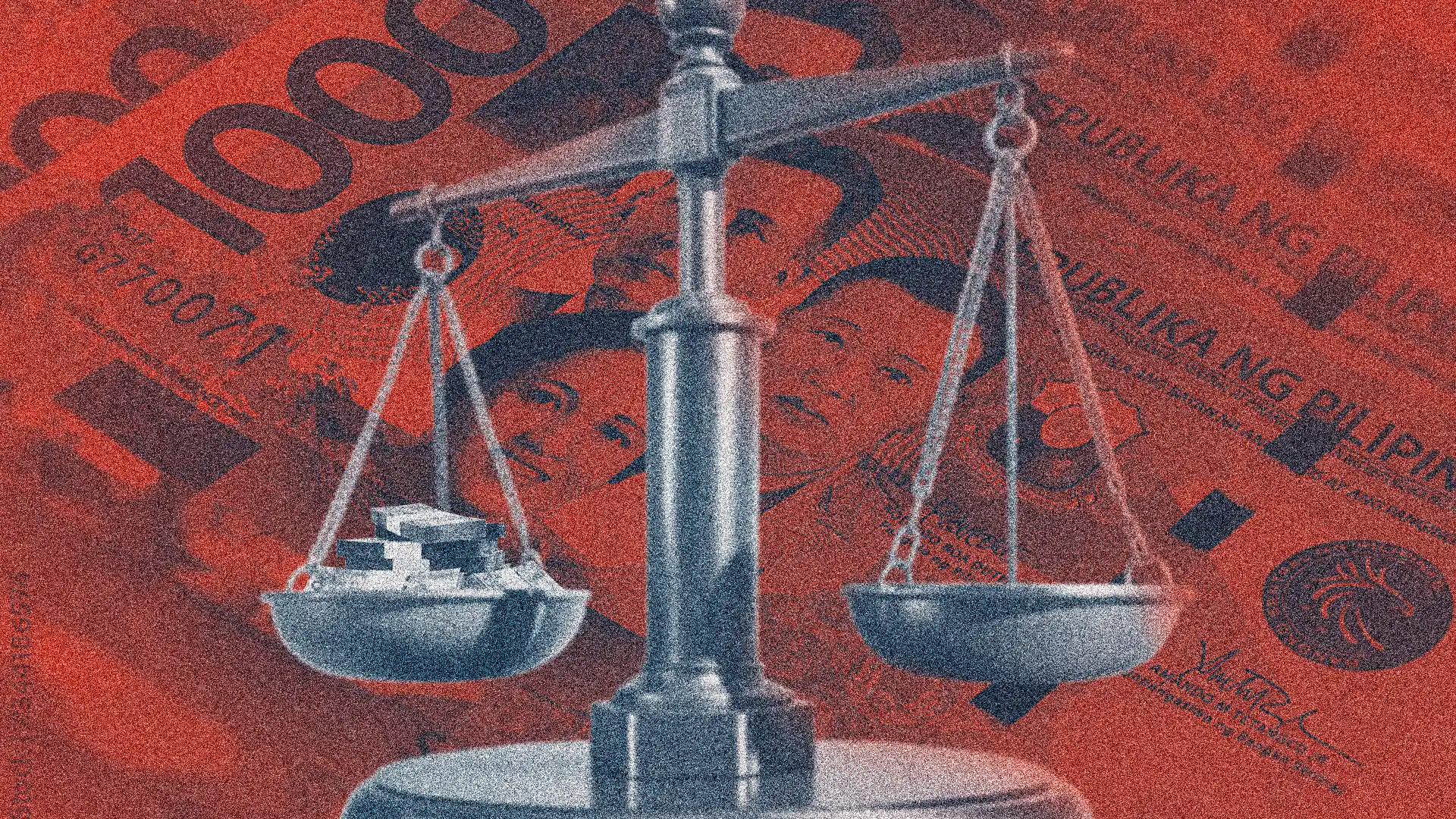
The 2026 General Appropriations Act (GAA), signed into law at ₱6.793 trillion, sets the government on a path of prudent spending, transparency, and fiscal discipline. Its goal is to improve debt sustainability and reduce the pressure of deficit financing. The budget presents a medium-term strategy to manage borrowing while aligning revenue and expenditure with fiscal consolidation goals.
An important aspect of the GAA is the Medium-Term Fiscal Framework or MTFF. This framework is the blueprint to gradually lower deficits and public debt relative to GDP. Policymakers aim to reduce the deficit and stabilize the debt-to-GDP ratio in the coming years. It guides spending and revenue targets and ensures the budget does not expand unchecked, emphasizing debt reduction over time.
The 2026 budget still anticipates a fiscal deficit, meaning the government will borrow to cover the gap. The deficit is projected at about ~5.3 % of GDP, lower than prior levels. Projected revenue collections are higher than in 2025 due to stronger tax administration and digitalized collections. By boosting revenues and moderating spending, the GAA helps reduce the rate at which debt grows.
The government favors domestic borrowing over foreign debt to limit external risks. Total borrowings for 2026 are expected to reach about ₱2.682 trillion, with roughly 77 percent from domestic sources and 23 percent from foreign sources. This mix balances cost and risk while funding priority investments and debt servicing.
Independent projections show that total national government debt will still rise in nominal terms, expected to surpass ₱19 trillion by the end of 2026 due to existing obligations and ongoing borrowing. Despite this, tying budget growth to GDP and systematically reducing the deficit as a share of output aims to stabilize and eventually reduce the debt-to-GDP ratio.
The 2026 GAA also strengthens transparency and budget management. Unprogrammed appropriations are reduced compared with previous years to limit discretionary spending. Budget execution and monitoring mechanisms track fund usage and ensure alignment with planned allocations. These measures support fiscal discipline and provide data to evaluate the effectiveness of government spending.