
As the world celebrates Pride Month thai 2026, data from recent global surveys provide a clearer picture of the LGBT community, highlighting its diversity, growing visibility, and persistent challenges.
According to the Ipsos Pride Survey 2024, 11% of adults across 26 countries identify as LGBT. In the Philippines alone, there are an estimated 12 million Filipinos who identify as part of the queer community.
The Ipsos survey also found notable differences across generations, wherein Gen Z emerged as the generation most likely to identify as LGBT, with 17% reporting an LGBT identity.
Millennials followed at 11%, while only 6% of Gen X and 5% of Baby Boomers identified as LGBT. Researchers suggest that younger generations may feel “more empowered and safer expressing” their identities in increasingly inclusive environments.
Data from the Ipsos Global Advisor Survey 2023 further show the diversity of sexual orientations worldwide. Across the surveyed countries, 3% identified as lesbian or gay, 4% as bisexual, 1% as pansexual or omnisexual, and 1% as asexual. These figures reflect the broad spectrum of identities that exist within the LGBT+ community.
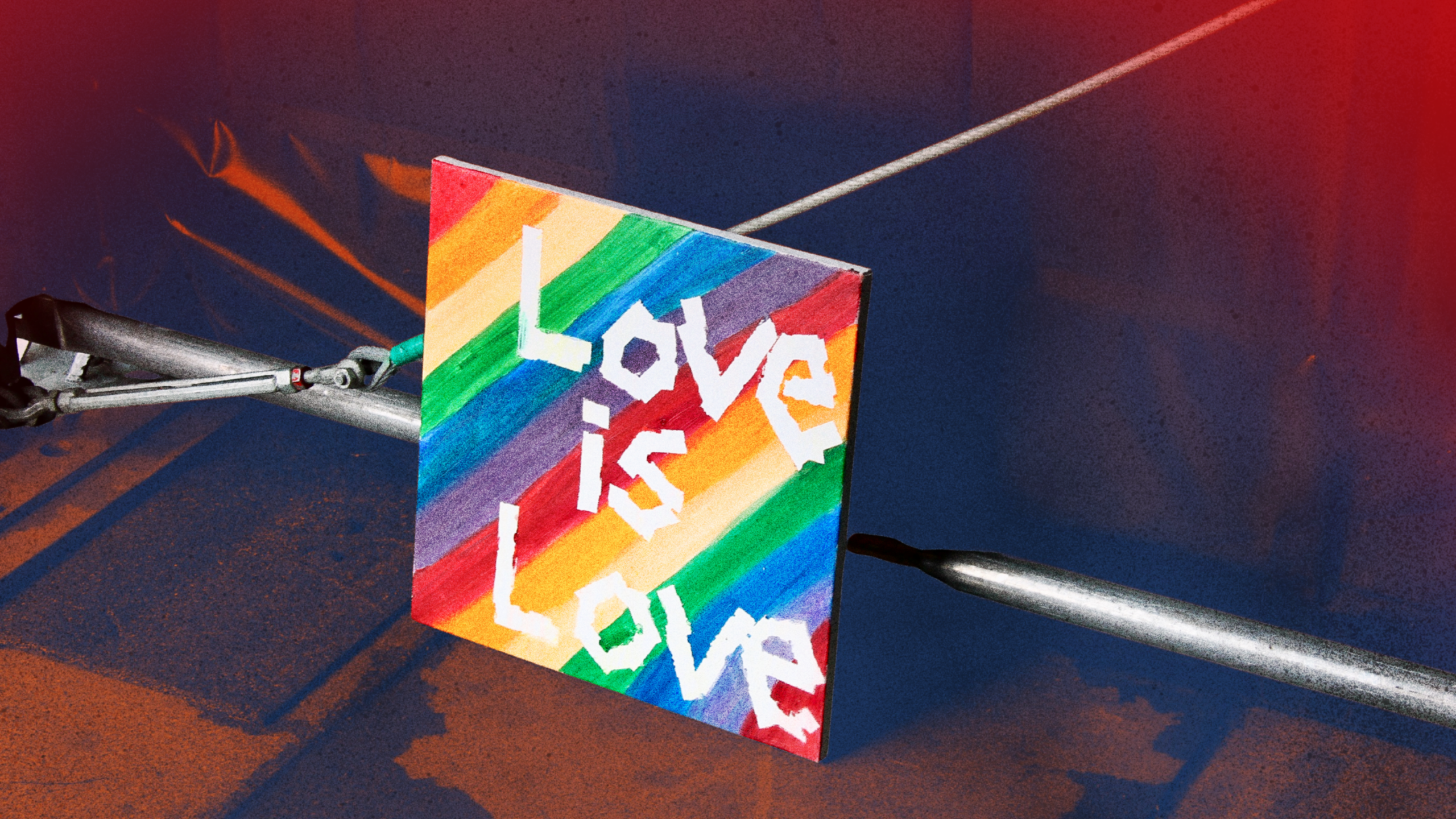
That diversity is also represented through pride flags. According to the Human Rights Campaign (HRC), there are more than 30 pride flags that symbolize different identities and experiences. Among the most widely recognized are the Rainbow Flag, Transgender Flag, Bisexual Flag, Lesbian Flag, Pansexual Flag, and Asexual Flag.
And yet, despite growing recognition and acceptance, legal equality remains uneven around the world. As of 2025, 39 countries have legalized same-sex marriage, including Andorra, Argentina, Australia, Austria, Belgium, Brazil, Canada, Chile, Colombia, Costa Rica, Cuba, Denmark, Ecuador, Estonia, Finland, France, Germany, Greece, Iceland, Ireland, Liechtenstein, Luxembourg, Malta, Mexico, the Netherlands, Nepal, New Zealand, Norway, Portugal, Slovenia, South Africa, Spain, Sweden, Switzerland, Taiwan, Thailand, the United Kingdom, the United States of America, and Uruguay.
However, the Philippines, has yet to legally recognize same-sex marriage, with its bill stalled in the Senate for almost two decades.
Meanwhile, while surveys indicate that 73% of Filipinos are accepting of the LGBTQ+ community, many young people continue to face discrimination and abuse. Data from the Council for the Welfare of Children (CWC) revealed that among 174 LGBTQ+ children surveyed, 75% experienced physical maltreatment, 78% experienced psychological abuse, and 33% experienced sexual violence.
These figures serve as a reminder that while visibility and acceptance have grown, the pursuit of equality, protection, and inclusion remains an ongoing effort for LGBT+ communities worldwide.