


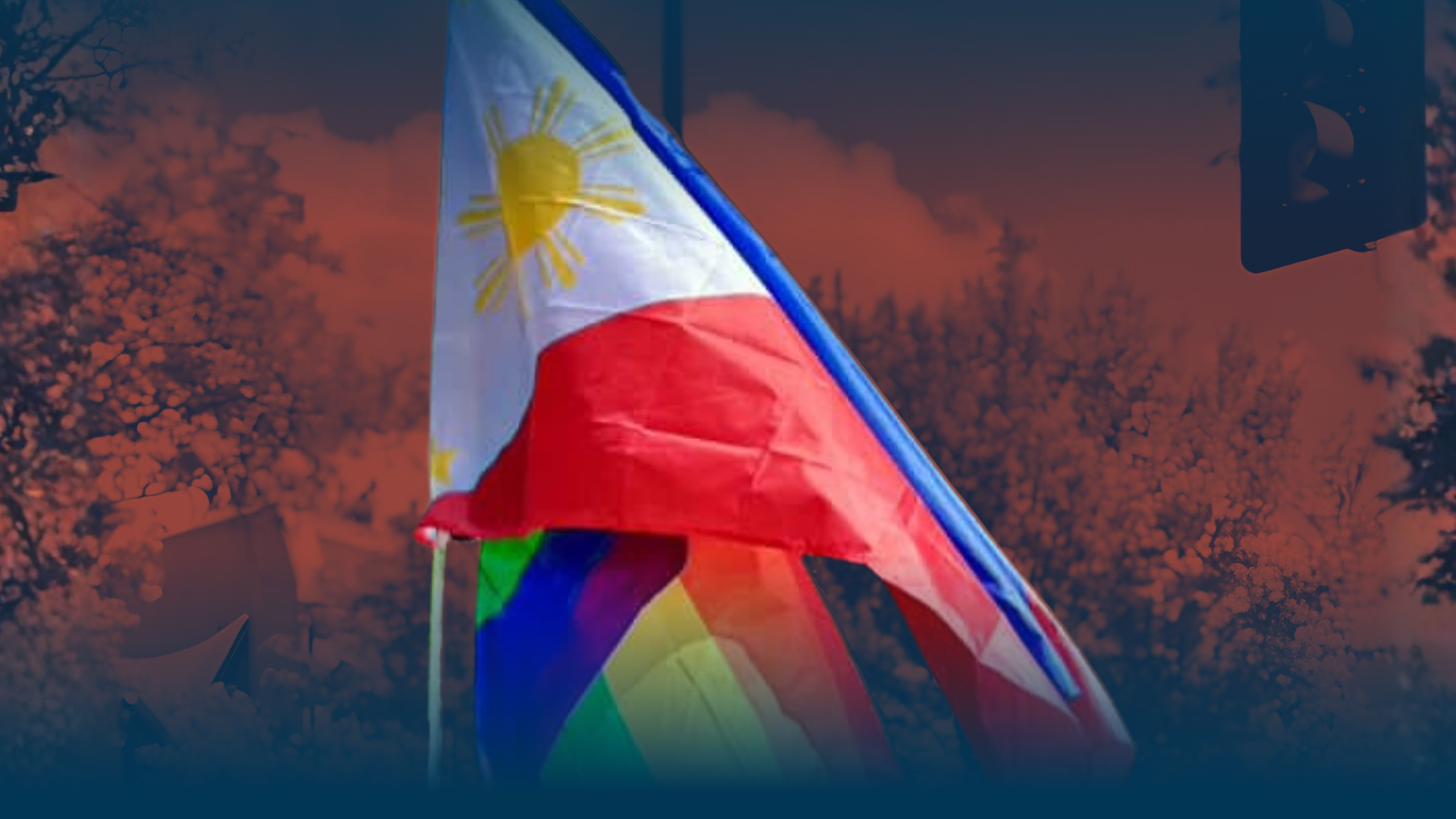
Pride Month is observed every June to commemorate key moments in LGBTQ+ history, particularly the Stonewall Uprising of 1969 in New York City, which is widely regarded as a catalyst for the modern LGBTQ+ rights movement.
On June 28, 1969, a police raid at the Stonewall Inn in Manhattan led to several nights of protests and confrontations between LGBTQ+ patrons and law enforcement. The event is considered a turning point in LGBTQ+ activism in the United States and is commonly cited as the starting point of the contemporary Pride movement.
Historical accounts note that transgender women of color, including Marsha P. Johnson and Sylvia Rivera, were among the visible figures in the Stonewall-era resistance and early organizing that followed. Their involvement has since been recognized in LGBTQ+ historical scholarship and advocacy narratives.
In 1970, the first Pride marches were organized to mark the first anniversary of Stonewall. Demonstrations were held in cities including New York, Los Angeles, San Francisco, and Chicago. These events established the model for annual Pride commemorations, which later expanded internationally.
In the Philippines, organized LGBTQ+ activism developed later but became among the earliest in Asia to hold a documented Pride march. On June 26, 1994, the first Pride march in the country was held, organized by ProGay Philippines and the Metropolitan Community Church (MCC). T
The march went from Quezon Avenue to the Quezon City Memorial Circle and was held in solidarity with the 25th anniversary of Stonewall. It is frequently cited in LGBTQ+ historical records as the first Pride march in the Philippines and among the earliest in the Asia-Pacific region.
This event was preceded by the formation of early LGBTQ+ organizations in the country, including UP Babaylan (1992), MCC Philippines (1992), and ProGay Philippines (1993). These groups contributed to early advocacy work, community support, and public visibility efforts prior to large-scale Pride events.
Over time, Pride participation in the Philippines increased significantly. Metro Manila Pride, established in later years, has grown from small-scale gatherings in its early stages to events drawing tens of thousands of participants in recent years. These gatherings typically combine public marches with advocacy programs addressing LGBTQ+ rights, including efforts related to SOGIE Equality legislation, health access, and anti-discrimination campaigns.
Today, Pride Month in the Philippines functions both as a commemoration of global LGBTQ+ history and as a reflection of local advocacy developments. It recognizes the legacy of Stonewall while also highlighting decades of Filipino organizing that continues to focus on legal recognition, social inclusion, and protection against discrimination.