

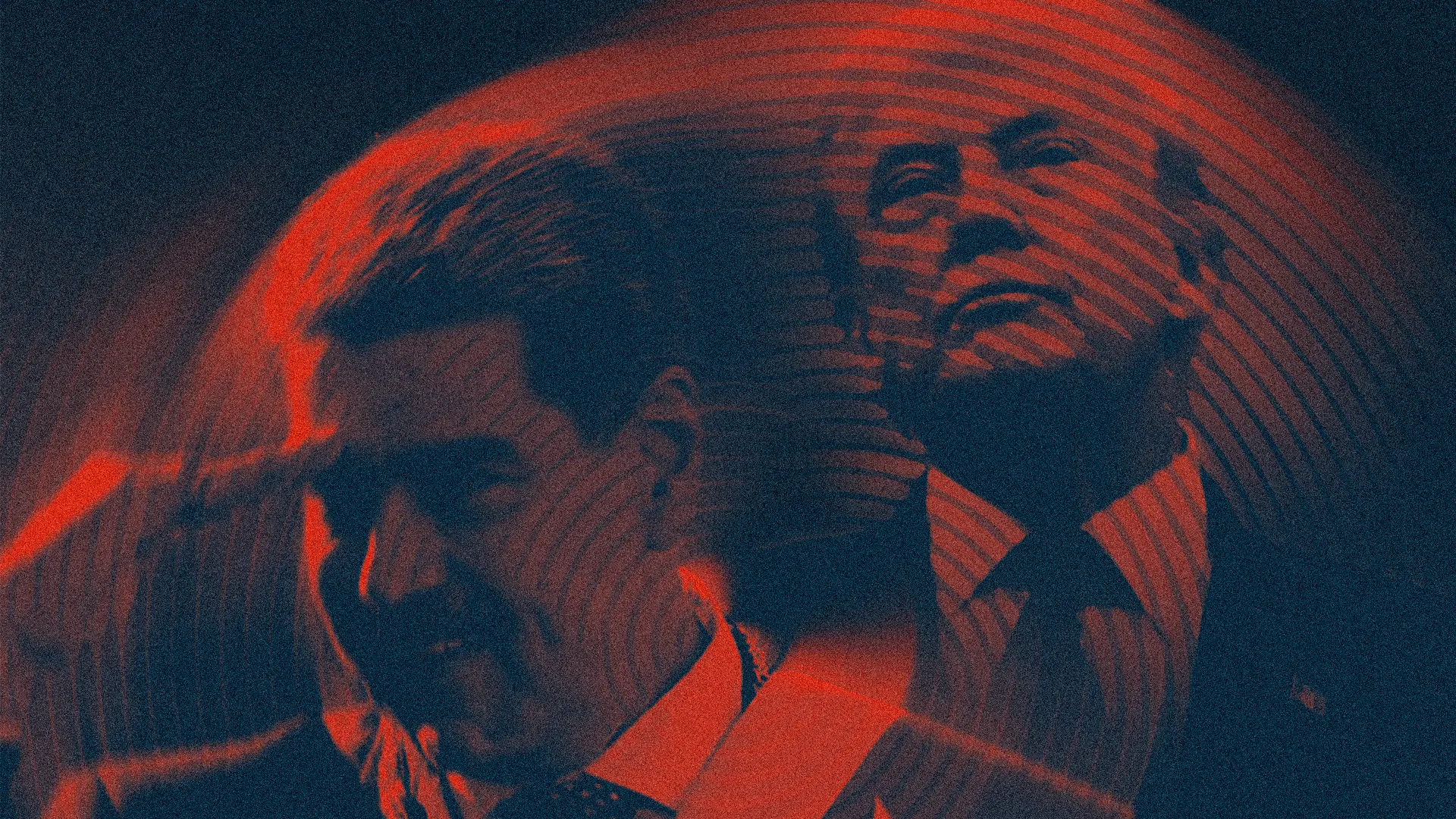
The hypothetical United States (US) military intervention in Venezuela, sparked by US President Donald Trump’s claim that Washington would temporarily “run” the oil-rich nation after strikes and the capture of Venezuela’s President Nicolas Maduro, has raised concerns that reached beyond Latin America.
While the scenario remains speculative, the narrative alone shows how global power plays can ripple across other regions, continents, and countries — even those that are far from the primary conflict zone, like the Philippines.
Philippine officials and analysts agree there is no direct fallout at present. Yet they still warn that these kinds of feud can still intervene with major geopolitical and economic disruptions in the country.
Direct Impact on Filipinos
According to the Department of Foreign Affairs (DFA), there is no immediate or direct impact on the Philippines stemming from the US-Venezuela situation.
However, the Philippine government’s primary concern remains the safety of the estimated 74 Filipinos currently in Venezuela, most of whom are professionals and long-term residents.
The DFA also continues to monitor developments closely, coordinating with partners to ensure that evacuation or assistance mechanisms can be activated if conditions worsen.
While this response reflects standard diplomatic protocol, the absence of direct impact does not eliminate broader concerns. Crises involving major powers, particularly those involving big and powerful countries, often evolve faster than the speed of light, and what begins as a local issue can escalate into wider global instability.
Economic Exposure
From an economic perspective, Philippine officials downplay the likelihood of immediate damage.
The Department of Economy, Planning, and Development Secretary Arsenio Balisacan stated that the country’s economic ties with Venezuela are minimal and “hardly nothing,” making trade disruptions unlikely.
But the real risk lies in the global oil market. Venezuela holds the world’s largest proven oil reserves, and any US action affecting its exports could tighten supply. It increases oil prices, which can overload the already existing pressures caused by conflicts in the Middle East and Eastern Europe.
For the Philippines, which relies heavily on imported fuel, higher oil prices translate into increased transportation costs, increased electricity rates, and increased inflation rates.
Strategic Positioning
Security analyst Chester Cabalza points out that the potential US operation to run Venezuela would signal Washington’s readiness to use force to protect strategic interests, particularly energy and regional influence.
He argues that this reflects the intensifying power competition between the US and China.
Such a show of force reinforces the reality of great-power rivalry, this does not stop at the Latin America region.
Analysts warn that similar dynamics could unfold in flashpoints closer to home, including the West Philippine Sea (WPS) and the Taiwan Strait, where competing claims and military posturing can affect regional stability.
Meanwhile, for Manila, the situation presents both risks and opportunities. The Philippines’ security alliance with Washington and its deep economic ties with Beijing place it in a unique position to balance relations, defend national interests, and strengthen trade and investment.
Implications for the West Philippine Sea
Some lawmakers also raise concern that the greater risk is not an immediate conflict spillover, but the precedent such an intervention could set.
Akbayan Rep. Perci Cendaña cautioned that a U.S. incursion into Venezuela “must give us pause,” arguing that it could embolden similar aggressive actions by other powers.
He noted that selective enforcement of international law risks “normalizing violations” — whether by Russia in Ukraine or China in the WPS.
The fear is that powerful states may increasingly justify unilateral action under the guise of strategic necessity.
On the other hand, Mamamayang Liberal Party-List Rep. Leila de Lima similarly voiced this concern, calling the scenario a “reality check” on the Philippines’ reliance on the United States for moral leadership and a rules-based international order.
She stressed that alliances should not blind the country to inconsistencies that undermine international norms.
As global tensions grow more and more complex, the Philippine government must uphold international law regardless of which power violates it, rejecting double standards that weaken global norms.
Strengthening ASEAN-led and multilateral diplomacy remains crucial, providing smaller states with collective leverage amid greater, bigger power competition.
The Philippines must continue defending its rights in the WPS based on rules, not blind alliances, ensuring that national interest, sovereignty, and stability remain at the center of its foreign policy decisions.