

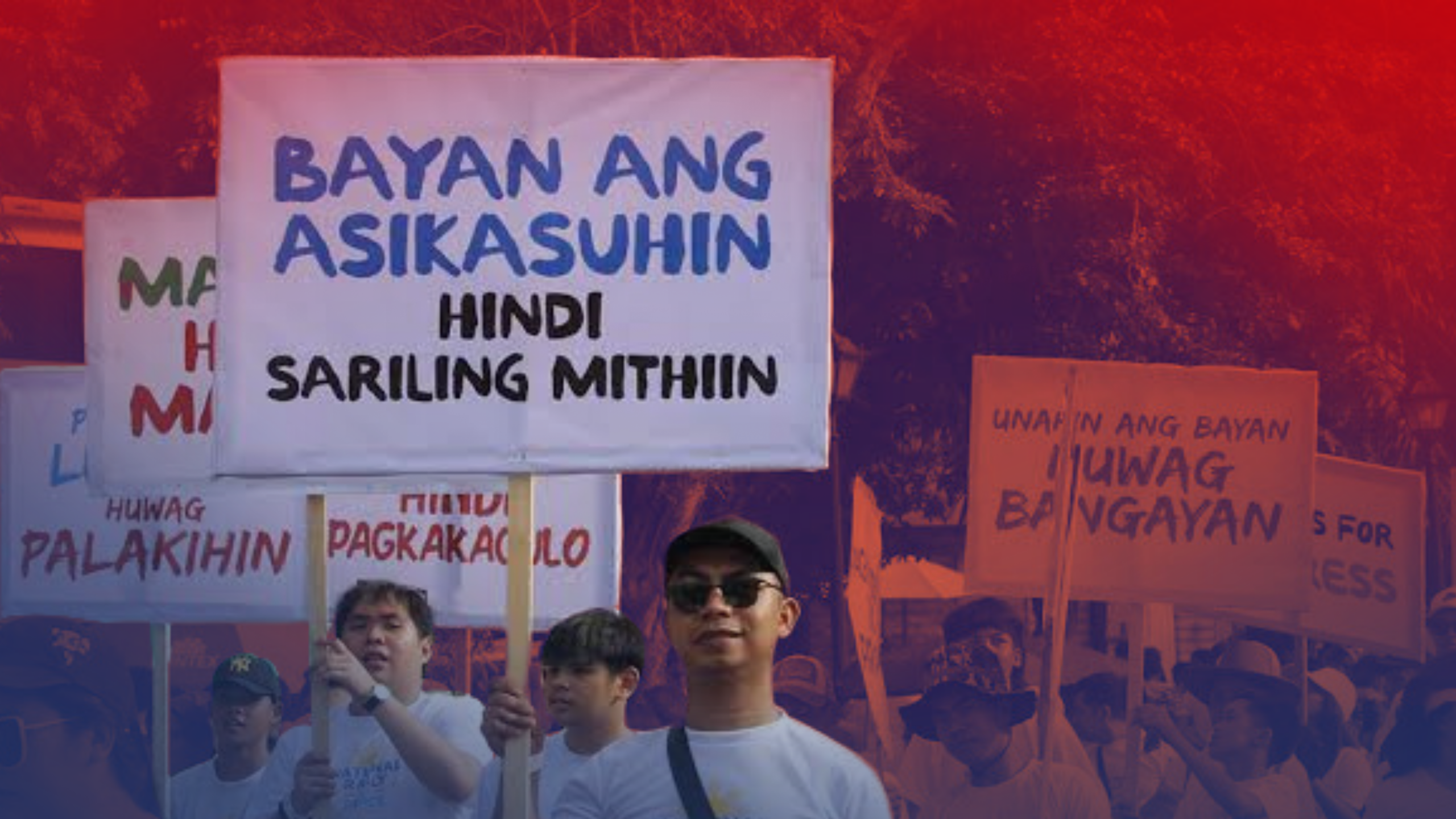
The surprise Iglesia Ni Cristo (INC) rally on June 30 drew thousands of participants and caused widespread traffic disruptions across parts of Metro Manila, leaving many commuters stranded and prompting Malacañang to describe the inconvenience as “collateral damage.”
The incident has also renewed discussions on the country’s public assembly law and when organizers are required to obtain a rally permit.
Under the Public Assembly Act of 1985 (Batas Pambansa Blg. 880), which governs public assemblies such as rallies, marches, demonstrations, processions, and parades held in public places, organizers generally need to secure one written permit from the city or municipal mayor—or the local government unit (LGU)—where the rally will be held. It is also important to note that the permit application must be filed at least five working days before the scheduled assembly.
Applications typically include the purpose of the assembly, its proposed date and time, the venue or route, the estimated number of participants, and the names and addresses of the organizers. Once received, the mayor’s office must acknowledge the application in writing and immediately post a notice in a conspicuous area of the city or municipal hall.
Not all public assemblies require a permit. Under BP 880, no permit is generally needed if the gathering is held in a designated freedom park, takes place on private property with the owner’s consent, or is outside the scope of public places covered by the law.
Authorities cannot simply reject a permit application, too, as the law states that a permit cannot be denied merely because officials disagree with the group’s views or advocacy. Instead, authorities must show that the proposed assembly presents a clear and present danger to public safety, public order, public health, public morals, or public convenience.
Meanwhile, leaders or organizers who hold a public rally without first securing the required permit may face one month and one day to six months of imprisonment upon conviction. The law also states that participants in an otherwise peaceful assembly cannot be held criminally liable solely for attending the rally.
They are expected to coordinate with local authorities, keep the assembly peaceful, comply with the approved time, route, and venue stated in the permit when required, and cooperate with law enforcement in maintaining peace and order.
Holding a rally in a public place without the required permit may result in the assembly being dispersed if it violates the law or creates a clear and present danger. As large public gatherings continue to draw national attention, BP 880 seeks the right of Filipinos to peacefully assemble and the government’s duty to protect public safety and order.