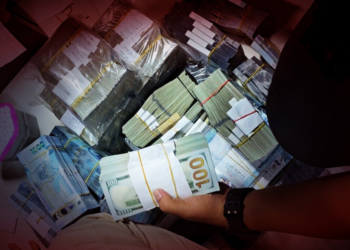



The Anti-Money Laundering Act of 2001 or Republic Act No. 9160 is a Philippine law intended to prevent individuals from laundering money in financial institutions.
Money laundering is a process wherein criminals launder dirty or illegal money through banks and financial institutions to make them appear legitimate. Money laundering involves several transactions for money to become laundered since criminals must cover the origins of their illicit proceeds.
Banks, casinos, and any other entity involved in financial activities are expected to report any irregular or suspicious activities to the Anti-Money Laundering Council (AMLC), which serves as the investigating authority in any money laundering transaction.
Assets and properties involved in any illegal activity can be frozen or confiscated after approval from the court system. Penalties for committing such a crime include a jail term and/or hefty fines.
The importance of the Anti-Money Laundering Act is the protection of the Philippine financial system against any criminal organizations’ involvement. This law will strengthen the country’s reputation in the international banking system.