

The filing of an impeachment complaint in Philippine politics is never just a legal act. It is a statement, a signal, and sometimes a gamble.
When headlines broke that a private lawyer had filed impeachment charges against President Ferdinand “Bongbong” Marcos Jr., it immediately became the talk of the town, stirring questions if: Is it a serious constitutional challenge or another episode in the country’s long-running political performance at play?
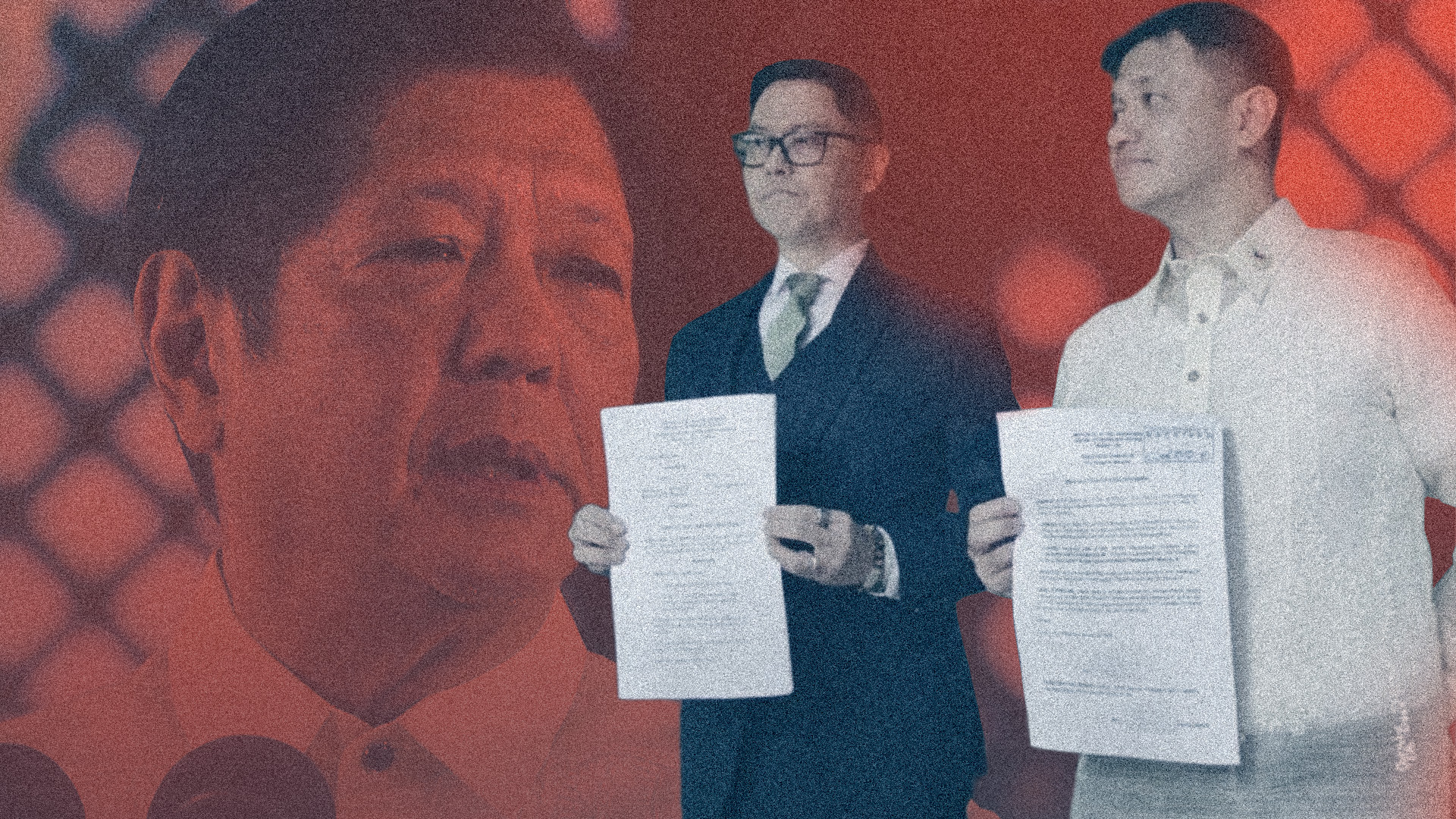
On January 19, 2026, lawyer Andre de Jesus filed an impeachment complaint against President Marcos, accusing him of graft and corruption, culpable violation of the Constitution, and betrayal of public trust.
Central to the complaint is Marcos’ alleged role in the arrest and surrender of former President Rodrigo Duterte to the International Criminal Court (ICC).
Allegations laid bare
According to de Jesus, the President ordered and enabled what he described as the “kidnapping and surrendering” of Duterte to the ICC without any valid warrant. The complaint also alleges “unfitness to serve” due to the controversial alleged drug use by the President, along with claims that Marcos failed to veto unprogrammed appropriations and other allegedly unconstitutional provisions in the General Appropriations Act (GAA).
The filing also circles back to the Pandora’s box opened by Marcos himself — the notorious flood control controversy — where de Jesus accuses the President of benefiting from kickbacks linked to budget insertions and so-called “ghost projects.”
These allegations might be seen as sweeping and concerning. However, under Philippine law, accusations alone do not bring down a president that easily.
The impeachment process is governed by strict constitutional rules and House procedures. The mere filing of a complaint does not automatically initiate impeachment proceedings, nor does it immediately trigger the one-year bar against filing similar complaints.
After filing, a complaint must be transmitted to the House Speaker, included in the Order of Business within ten session days, and referred to the House Committee on Justice within three session days. Only then does the committee determine whether the complaint is sufficient in both form and substance.
It is at this early gatekeeping stage where many impeachment complaints quietly die.
Lawmakers push back
Several lawmakers have already cast doubt on the viability of the case. Lanao del Sur Rep. Zia Alonto Adiong described the complaint as “weak and unsupported by credible evidence.” Meanwhile, Former House Minority Leader Edgar Erice was even more blunt, labeling it “basura,” pointing to the absence of sworn affidavits and documentary proof.
For now, Malacañang has adopted a calm approach to the impeachment charges. Palace Press Officer Claire Castro quoted the President as saying he is “not worried,” confident that he has committed no impeachable offense.
The Palace emphasized that Marcos remained focused on governance, leaving Congress to deal with the complaint through an honest and just due process.
Complicating matters further, two additional impeachment complaints, reportedly filed by Bagong Alyansang Makabayan (Bayan) and a group led by Former Ilocos Sur Governor Chavit Singson, against Marcos spearheaded by accusing him of involvement in multibillion-peso kickbacks tied to flood control projects and irregularities in the national budget.
However, these were quickly turned away by the House Office of the Secretary General, which cited a lack of authority to receive the filings in the absence of its chief.
The incident underscored how procedural technicalities can be just as decisive as political will in impeachment cases. Historically, impeachment in the Philippines has been as much about numbers as it is about law.
While the Constitution provides the framework, success ultimately depends on whether a critical majority of lawmakers is willing to push a complaint through the House and into the Senate until the impeachment is finally pushed through.
At present, Marcos continues to enjoy strong congressional support, making it difficult for critics to see a clear path forward for any impeachment effort.
If, against the odds, an impeachment complaint were to succeed, Marcos would become only the second Philippine president to be impeached, following Joseph Estrada’s removal in 2000 over plunder charges.
For now, the case remains stalled in the House, suspended between constitutional process and political reality.