


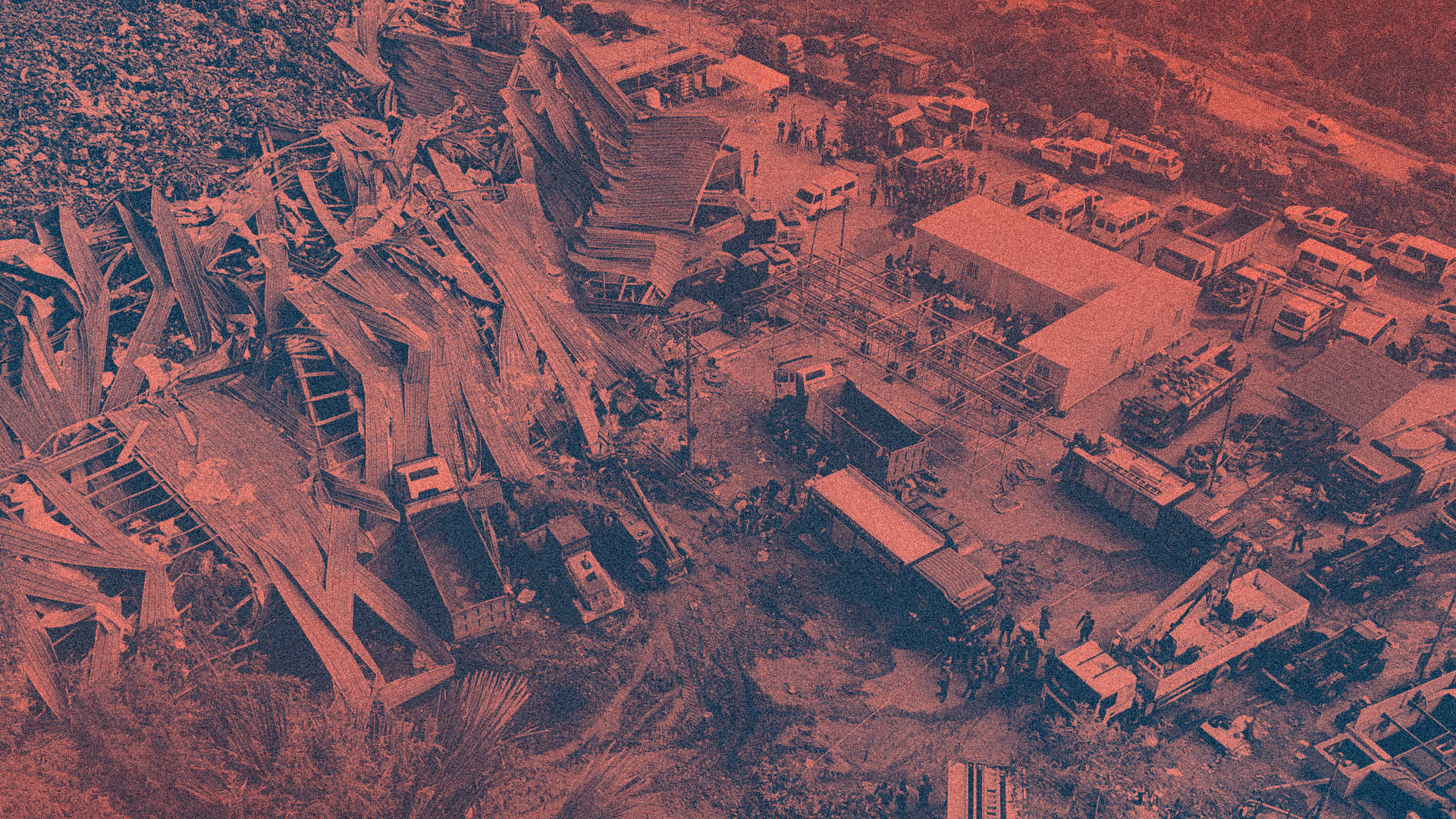
The Binaliw landfill landslide not only left dozens dead and missing, but it also exposed gaps in the city’s waste management.
A deadly landslide at the Binaliw landfill in Cebu City has left at least 20 people dead, 17 others missing, and 18 injured, as authorities continue search and recovery operations amid growing concerns over waste management practices and site safety.
The incident occurred on January 8, 2026, when a large portion of the landfill collapsed, sending tons of garbage and soil crashing down onto nearby homes. The victims include residents living near the dumpsite as well as workers who were maintaining the landfill at the time of the collapse.
As of January 14, rescue teams remained on site, racing against time to locate those believed to be trapped beneath the debris and rubbles. Operations have been complicated by unstable ground conditions and the volume of waste involved, according to disaster response officials.
Potential causes of the landslide
Authorities have identified several factors that may have contributed to the collapse.
One major factor would be the prolonged rainfall in the days leading up to the incident that allegedly softened the soil.
Meanwhile, the September 30 earthquake in Cebu may have shifted rock formations beneath the landfill. Officials also pointed out that the facility was operating as an open dumpsite rather than a fully engineered sanitary landfill.
However, Cebu City Councilor Joel Garganera said the landslide was likely the result of poor waste management practices, describing a process in which the landfill site was excavated and then loaded with additional layers of garbage.
He said that this method may have compromised the stability of the area over time.
Government response
In response to the disaster, the Cebu City Council approved a resolution on January 13 declaring a state of calamity.
The declaration aims to address disruptions in waste disposal services and prevent a potential secondary public health crisis caused by uncollected garbage and exposure to hazardous waste.
Earlier, on January 12, the Department of Environment and Natural Resources (DENR) issued a cease-and-desist order against Prime Integrated Waste Solutions (PIWS), the private firm operating the Binaliw landfill, which temporarily halted landfill operations while investigations are ongoing.
PIWS said in a statement that its emergency response team immediately coordinated with the Cebu City Disaster Risk Reduction and Management Office, the Bureau of Fire Protection, and other agencies to conduct retrieval operations following the collapse.
The company added that prior inspections of the affected landfill cell showed no visible signs of structural weakness and suggested that seismic activity and heavy rainfall were the primary triggers of the landslide.
On the other hand, the DENR emphasized that under the Ecological Solid Waste Management Act of 2000 and the Local Government Code of 1991, local government units have the primary responsibility for solid waste management, including waste collection, disposal, and the monitoring of facilities.
In the aftermath of the incident, local authorities said they are reviewing Cebu City’s Solid Waste Management Plan and coordinating closely with DENR Central Visayas to strengthen oversight and ensure compliance with environmental regulations.