
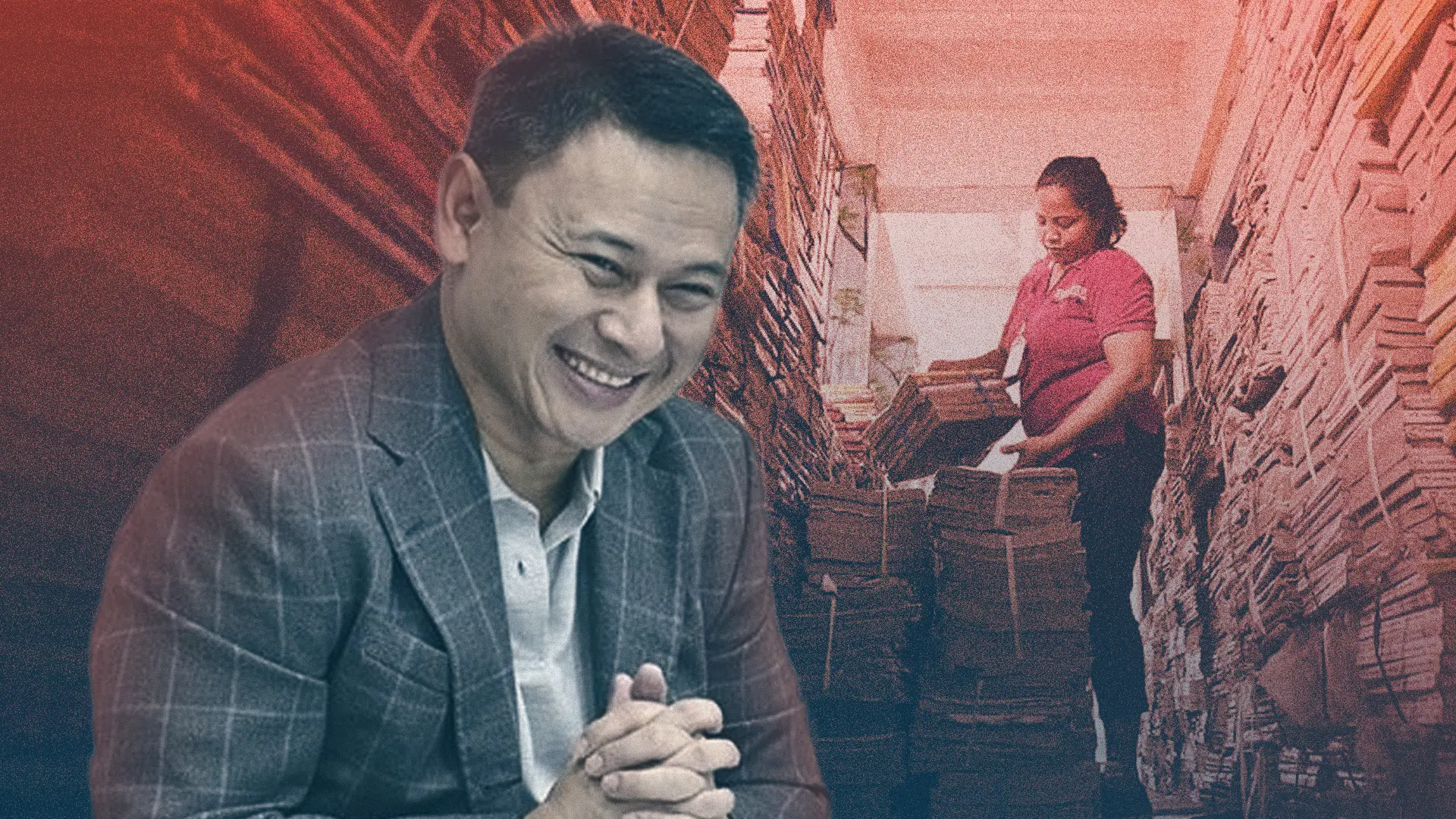
In 2025, the Department of Education approved 105 textbook titles in a single procurement cycle. This marked a 289 percent increase from previous years and ended long standing delays that had slowed textbook delivery nationwide. The approval became possible after reforms removed bottlenecks that had stalled production for years.
The sharp increase shows that the main problem was not a lack of demand for textbooks. Instead, outdated procedures were holding the system back. Failed bids, slow content reviews, and large backlogs had limited approvals to as few as 27 titles in earlier cycles. Once these issues were addressed, the procurement system was able to operate at full capacity.
Two key reforms drove the turnaround. DepEd Order No. 8 issued in 2025 introduced pre bidding content evaluations so materials could be reviewed before procurement began. This prevented failed cycles and reduced delays.
Republic Act 12009 or the New Government Procurement Act further streamlined the process by modernizing timelines and rules. The law was authored by Secretary Sonny Angara during his time in the Senate.
With the backlog cleared, DepEd is moving into a larger scale phase. For 2026, the agency has allocated 29.29 billion pesos for more than 100 million learning resources. This includes quality checks for over 176 textbook titles and thousands of self learning materials.
Education experts note that the improvement was driven by institutional reforms rather than individual effort. Researchers point out that removing bureaucratic barriers created lasting gains and made the system more sustainable.
For students, the impact is direct. Schools are now positioned to receive complete and timely learning materials, something that has long been a challenge. Faster procurement means fewer photocopies, fewer delays, and stronger support for curriculum rollout. The 2025 surge signals a shift toward more reliable nationwide distribution of learning resources.