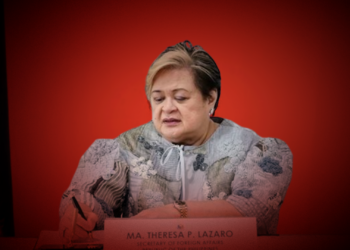


The University of the Philippines (UP) system secured ₱29.47 billion in the final 2026 General Appropriations Act (GAA), a historic hike. but now, ₱2.95 billion budget cut under the 2027 National Expenditure Program (NEP).
Despite its importance, why does UP remain vulnerable to budget cuts?
Higher education funding for UP and other state universities alike is also severely limited by broader national spending priorities. When constructing the annual budget, state university requests do not exist in isolation; they must compete directly against massive national liabilities. Massive line items such as debt servicing at ₱876.7 billion, infrastructure development at ₱6.326 trillion, and national defense at ₱419.3 billion absorb the vast majority of government revenue, leaving a restricted pool of funds for higher education
A university’s absorptive capacity, or the speed at which it spends its allocated funds, further complicates the funding process. Operational bottlenecks, including pending procurement processes and slow project implementation, often result in unspent balances at the end of the fiscal year. National budget officials frequently cite these delays as justification to trim subsequent funding allocations, penalizing the university for administrative delays
These bureaucratic spending cuts trigger severe real-world consequences, particularly for public health. Reductions in UP’s overall budget directly threaten the operations of the Philippine General Hospital (PGH). Trimming funds for state universities continues to cripple PGH’s already vulnerable status, directly threatening its capacity to serve thousands of indigent patients who rely on the hospital daily
Finally, the structural multi-step budgeting process virtually guarantees a funding shortfall. UP’s initial internal proposal submitted to the executive branch is routinely slashed in the National Expenditure Program (NEP). Although Congress evaluates the budget and typically restores a portion of these funds, the final signed General Appropriations Act (GAA) consistently leaves a substantial gap that restricts classroom repairs, research equipment purchases, and patient medical assistance