


Cervical cancer remains one of the deadliest cancers affecting women worldwide, particularly in developing countries where access to prevention and treatment remains limited. Globally, it is the fourth most common cancer among women, with nine out of 10 related deaths occurring in low- and middle-income nations.
In the Philippines, cervical cancer ranks as the second most common cancer among women, with around 7,897 new cases and 4,052 deaths recorded each year. As of the latest data from the World Health Organization, around 37.8 million Filipino women are currently at risk of developing the disease.
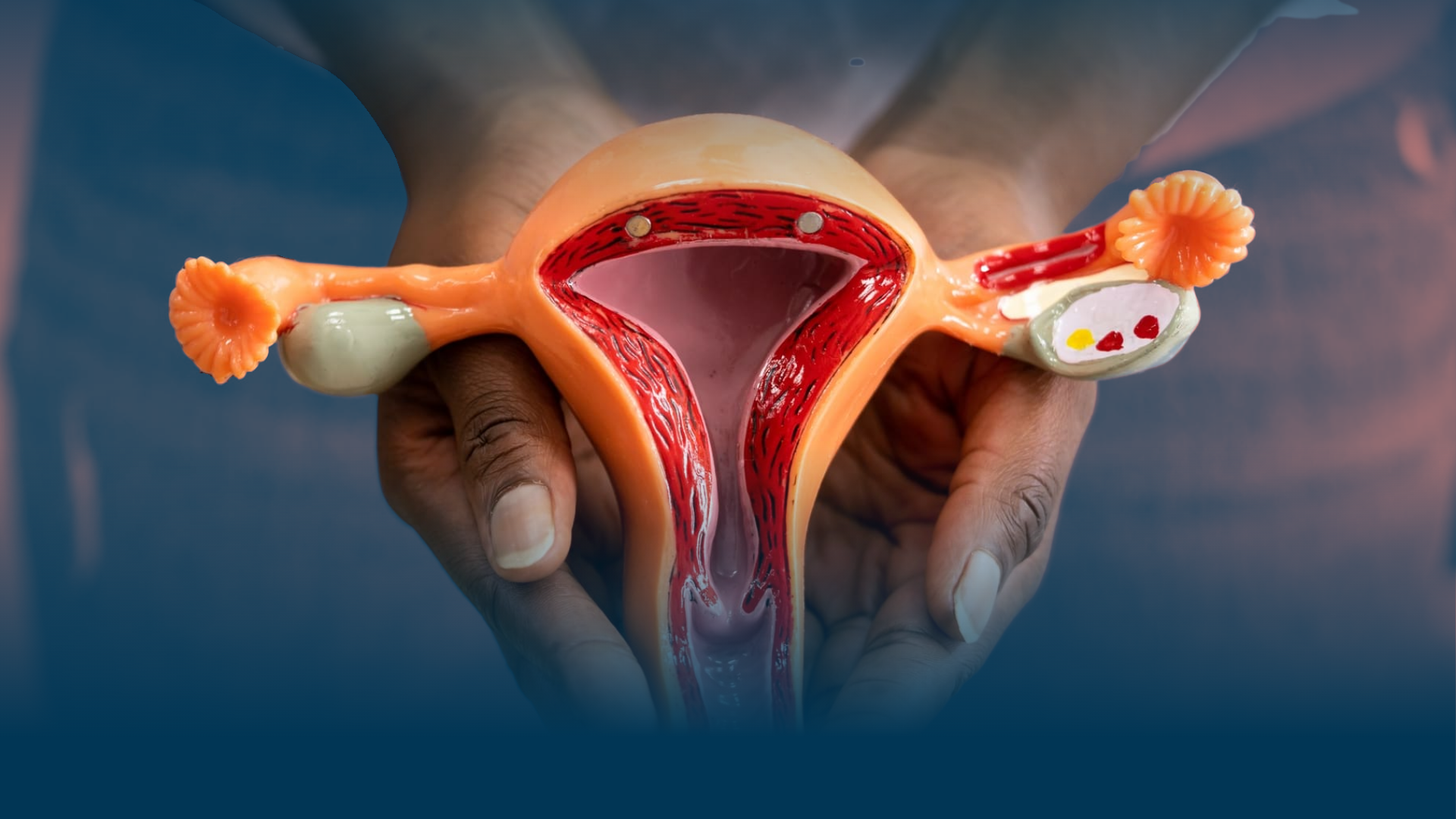
Cervical cancer develops in the cervix, the lower part of the uterus that connects to the vagina. It often progresses silently, showing no symptoms in its early stages, which makes regular screening critical for early detection and treatment. When symptoms do appear, they may include abnormal vaginal bleeding, bleeding after sexual intercourse, unusual vaginal discharge, pelvic pain, and pain during intercourse.
Diagnosis usually begins through screening procedures such as Pap smear tests, Visual Inspection with Acetic Acid (VIA), and HPV testing. However, screening remains critically low in the Philippines. Coverage is estimated at only 7.7% to 13.9%, resulting in many cases being detected too late for effective intervention. This contributes to the country’s low five-year survival rate of just 44%.
Nearly all cases of cervical cancer are caused by persistent infection with high-risk Human Papillomavirus (HPV). More than 95% of cervical cancer cases are linked to HPV, with types 16 and 18 accounting for around 70% of cases worldwide. In the Philippines, HPV has been detected in 93.8% of cervical squamous cell carcinomas and 90.9% of cervical adenocarcinomas. Despite the availability of preventive vaccines, the Philippines continues to lag behind in HPV immunization efforts.
The World Health Organization aims to vaccinate 90% of girls by age 15 to eliminate cervical cancer as a public health threat, but as of 2020, only 23% of the country’s target female population had received the first vaccine dose, while just 5% completed the full series.
Economic barriers also worsen outcomes. Only 50% to 60% of Filipinas diagnosed with cervical cancer receive treatment, partly because 44.7% of healthcare costs in the country are paid out-of-pocket, making cancer care financially devastating for many families. Certain groups also face higher risks, including women living with HIV, smokers, women who began sexual activity at an early age, women with high parity, and long-term oral contraceptive users.
While cervical cancer is largely preventable, reducing its impact depends on improving access to vaccination, expanding screening programs, and ensuring affordable healthcare for all Filipinas.